
Optimal Timing for Tree Removals
Tree removals are best scheduled during specific times of the year to ensure safety, efficiency, and health considerations. Understanding the optimal timing can help minimize risks and potential damage to surrounding landscapes.
Winter is often considered ideal for tree removals due to the dormancy period of most trees, which reduces stress and damage.
Spring and summer may be less suitable for removals because of active growth, which can increase the risk of disease spread and affect surrounding plant health.
Autumn can be a good compromise, with trees entering dormancy and weather conditions generally favorable for removal work.
Dry, mild weather conditions are preferable for safe and efficient tree removal operations, regardless of the season.
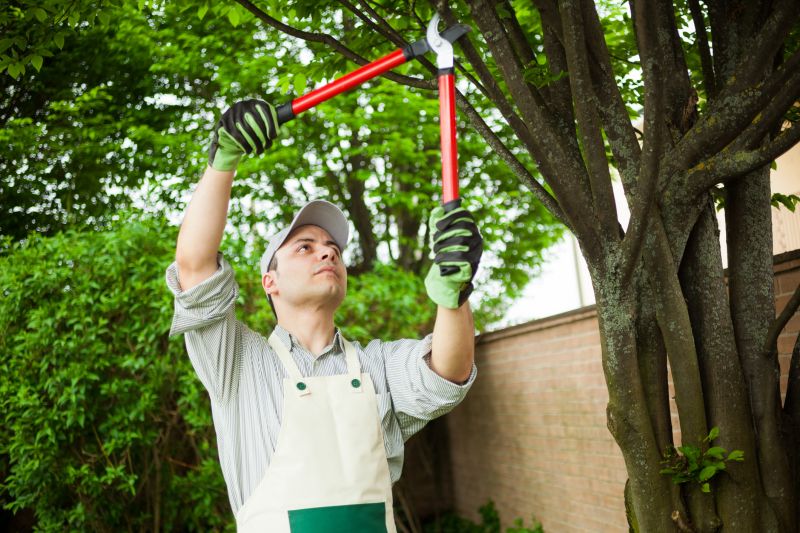
Tree removal during winter minimizes impact on surrounding vegetation and reduces pest activity.
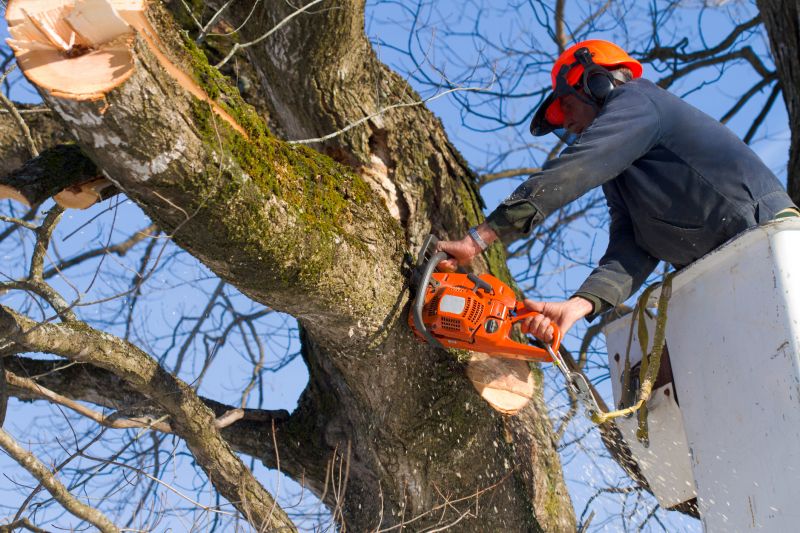
Spring removals can be challenging due to active growth, but are sometimes necessary for safety reasons.
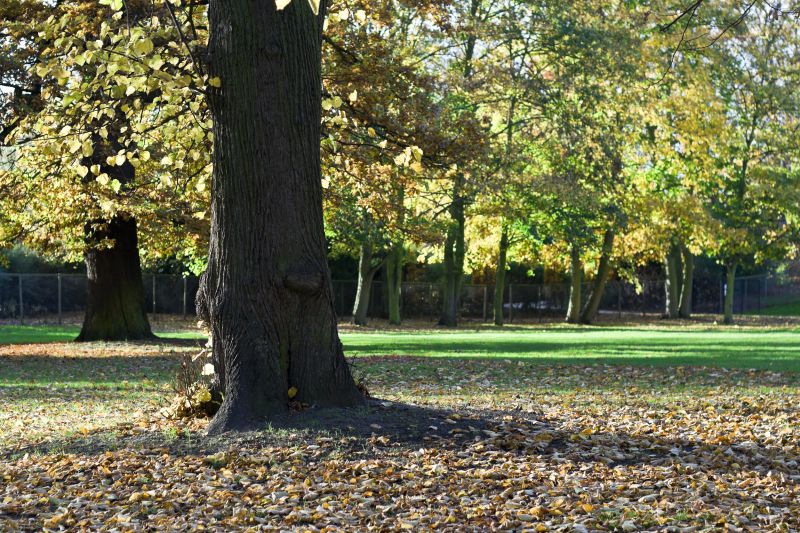
Autumn offers favorable weather and trees in dormancy, making it a practical time for removals.
Ways to make Tree Removals work in tight or awkward layouts.
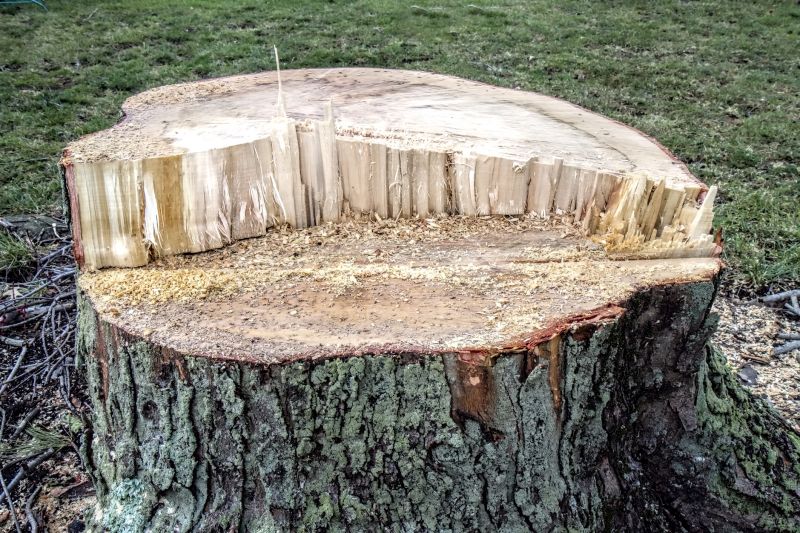
Popular materials for Tree Removals and why they hold up over time.
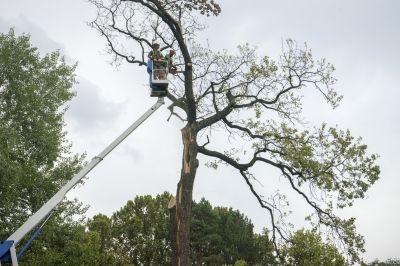
Simple add-ons that improve Tree Removals without blowing the budget.
| Season | Advantages |
|---|---|
| Winter | Less impact on surrounding vegetation; reduced pest activity. |
| Spring | Can address safety concerns before active growth begins. |
| Summer | Less common due to active growth and higher risk. |
| Autumn | Favorable weather; trees in dormancy. |
Tree removals involve the careful cutting and removal of hazardous or unwanted trees. Proper timing ensures the safety of property and personnel, reduces environmental impact, and can help maintain the health of neighboring plants. Statistically, scheduling during dormancy can decrease the likelihood of disease transmission and promote faster recovery of the landscape.
Optimal timing varies based on tree species, local climate, and specific circumstances. In West Des Moines, IA, winter is generally preferred for its cooler temperatures and tree dormancy, which facilitate safer and more efficient removals. However, safety concerns may necessitate removals outside these periods, especially when trees pose immediate hazards.
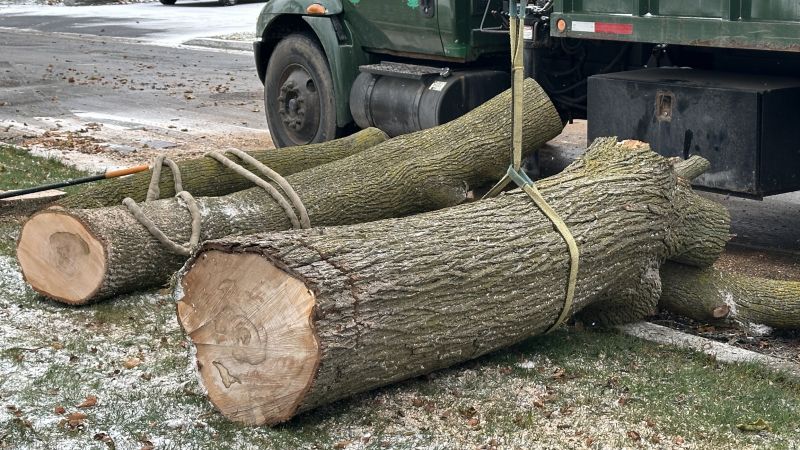
Ideal for minimizing landscape disruption and pest spread.
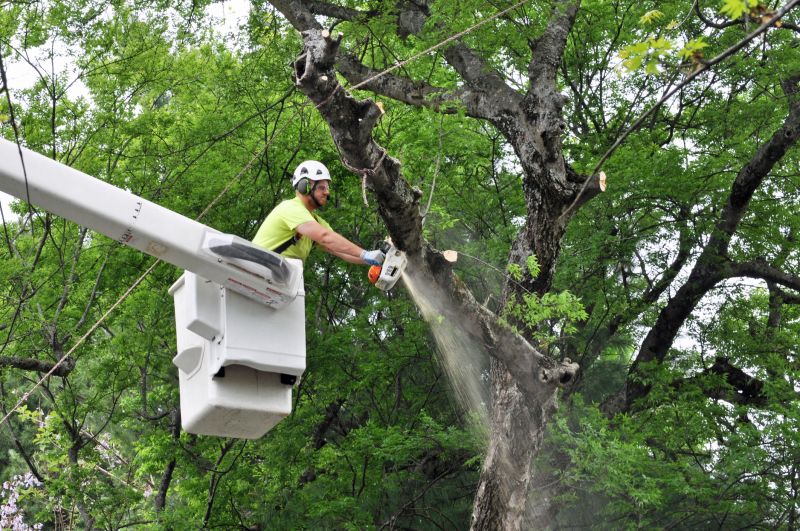
Used when safety concerns arise early in the season.
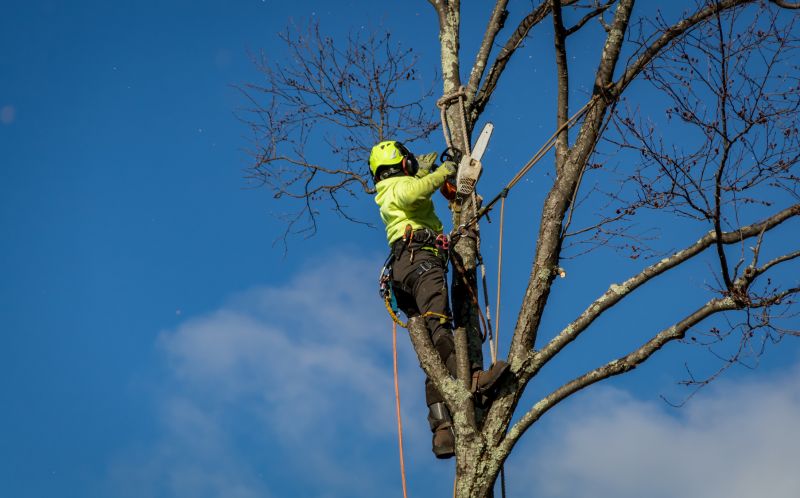
Less common, but sometimes necessary due to safety risks.
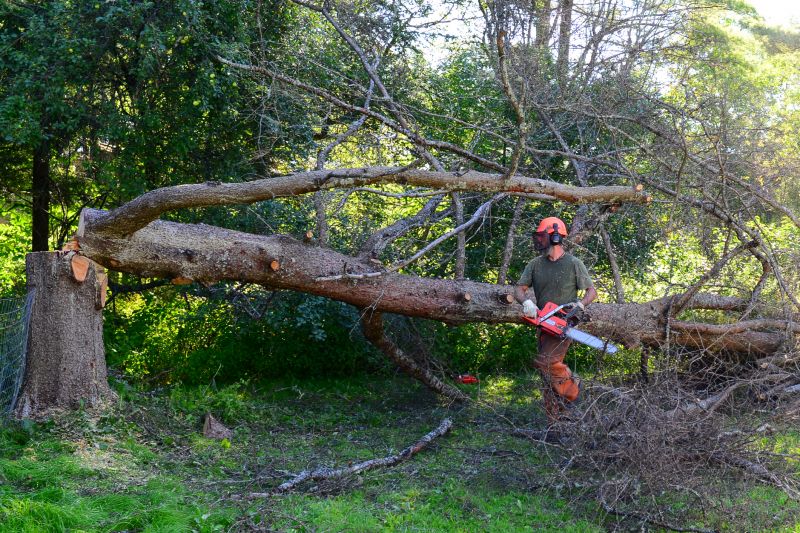
Suitable for general maintenance and safety.

Little measurements that prevent headaches on Tree Removals day.
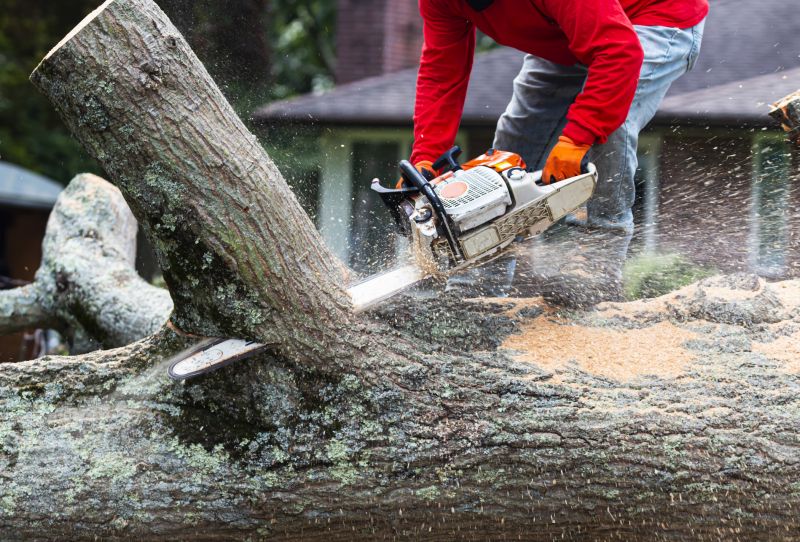
A 60-second routine that keeps Tree Removals looking new.
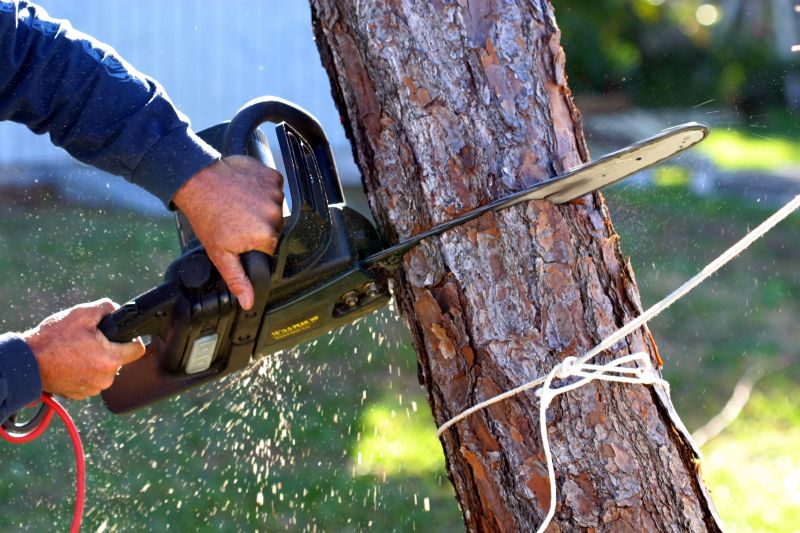
A frequent mistake in Tree Removals and how to dodge it.
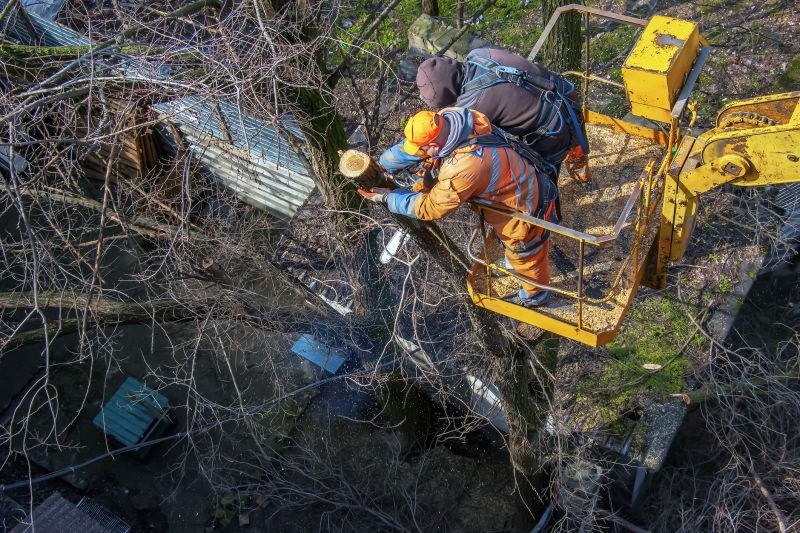
Small tweaks to make Tree Removals safer and easier to use.
Interested parties are encouraged to contact for more information or to schedule a tree removal at the most appropriate time. Proper timing ensures safety, efficiency, and landscape health.